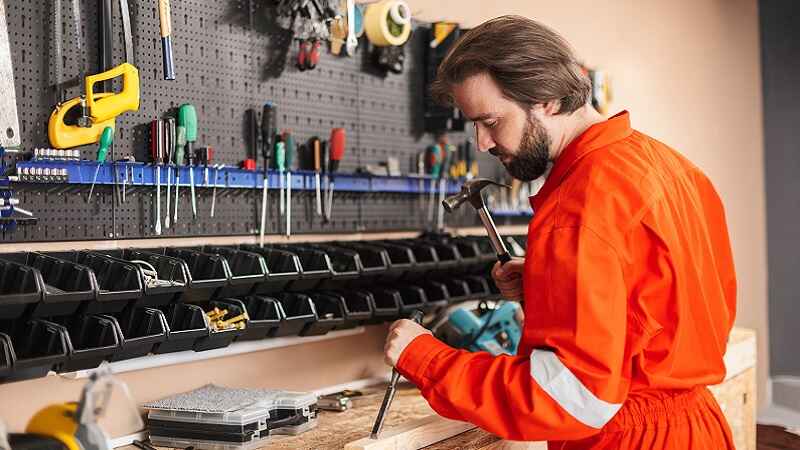
Choosing the right tools can make any project—big or small—faster, easier, and more efficient. Whether you’re a homeowner tackling DIY repairs, a hobbyist exploring new skills, or a professional working on large-scale projects, understanding what tools to buy is essential. This tool buying guide will walk you through everything you need to know, including the types of tools, what to look for when purchasing, and how to choose the right option based on your needs and budget.
Understanding Your Tool Needs Before Buying
Before buying any tool, it’s important to identify what kind of project you’ll be working on. Many people end up purchasing tools they never use simply because they didn’t assess their needs. Ask yourself:
-
What tasks will I perform regularly?
-
Do I need tools for home repairs, construction, woodworking, or general DIY?
-
Am I looking for long-term use or a one-time job?
By understanding your purpose, you can narrow down your choices and avoid unnecessary spending. For example, a homeowner may need basic tools such as a hammer, screwdriver set, tape measure, and drill, while a professional may require advanced power tools like circular saws, nail guns, or impact drivers.
Hand Tools: What to Consider When Buying
Hand tools remain essential for every toolkit, no matter your skill level. They are reliable, affordable, and perfect for detailed work. When buying hand tools, focus on quality and comfort.
Choose Durable Materials
Look for tools made from high-quality steel, such as chrome vanadium or carbon steel. These materials resist rust and last longer, even with frequent use.
Check Grip and Comfort
A good hand tool should feel comfortable in your hand. Rubber or ergonomic handles help reduce fatigue, especially when used for long periods.
Examples of Must-Have Hand Tools
- Screwdrivers
- Hammers
- Pliers
- Wrenches
- Tape measure
- Utility knife
Invest in a good set rather than cheap alternatives, as quality tools last longer and perform better.
Power Tools: How to Choose the Right Ones
Power tools save time and provide more power than manual tools, making them ideal for more demanding tasks. However, with so many brands and features available, choosing the right power tools can be overwhelming.
Check Power Source: Corded vs. Cordless
-
Corded tools provide consistent power and are great for heavy-duty work, but they require an electrical outlet.
-
Cordless tools offer more mobility, especially with modern lithium-ion batteries. They are ideal for home use or outdoor projects.
Choose based on convenience and the type of tasks you perform regularly.
Evaluate Battery Life
For cordless tools, the battery is extremely important. Look for:
-
Lithium-ion batteries
-
Long runtime
-
Fast charging support
It’s also helpful to buy tools from the same brand so the batteries are interchangeable.
Look at Essential Features
Good power tools should include:
- Variable speed control
- Safety locks
- Comfortable grip
- Warranty coverage
Some popular power tools include drills, saws, sanders, grinders, and impact drivers. Invest in high-quality tools to ensure better performance and longer lifespan.
Buying Tools Based on Skill Level
Not everyone needs professional-grade tools. Buying tools suited to your skill level can save you money and reduce complexity.
For Beginners
If you’re new to home improvement or DIY, start with:
- A basic toolkit
- A cordless drill
- A measuring tape
- A set of pliers
- A basic saw
Beginner tools should be simple to use, affordable, and versatile.
For Intermediate Users
Intermediate-level users often work on more complex projects such as furniture building or electrical installations. They may need:
- Circular saw
- Sanders
- Impact driver
- Jigsaw
- Advanced tool kits
These tools offer more precision and options.
For Professionals
Professionals should invest in heavy-duty, high-performance tools designed for long hours of use. Brands like DeWalt, Makita, Bosch, and Milwaukee are known for durability and advanced features.
How to Compare Tool Brands
Choosing the right brand is just as important as choosing the tool itself. Popular tool brands offer better reliability, warranties, and customer support. When comparing brands, consider:
Reputation and Reviews
Read customer reviews and expert opinions. Check how tools perform over time and whether users face common issues.
Price vs. Quality
More expensive doesn’t always mean better, but extremely cheap tools may break quickly. Aim for tools that balance affordability with quality.
Warranty and Support
Good brands provide warranties that cover defects and offer quick replacements. This is important for tools used frequently.
Safety Features to Look For
Safety should always come first when buying tools—especially power tools. Choose tools with:
- Safety locks
- Overheat protection
- Shockproof handles
- Anti-slip grips
- Blade guards (for saws)
Following safety guidelines protects both you and your tools.
Should You Buy Tools Online or In Store?
Both options have benefits:
Buying Online
- Convenient
- More variety
- Easy price comparison
- Customer reviews available
However, you cannot physically test the tool.
Buying In Store
- You can test weight and grip
- Sales experts offer guidance
- Easier returns
If possible, try the tool in store, then compare prices online.
Tool Sets vs. Individual Tools: Which Should You Buy?
You can buy tools individually or in sets. Each option has advantages:
Tool Sets
- Cost-effective
- Include essential tools
- Great for beginners
- Organized storage
Individual Tools
- Higher quality
- Customized to your needs
- Better for professionals
Choose based on your experience and the type of work you do.
Budgeting for Tools: Spend Smart
Tools come in a wide price range, and it’s easy to spend more than you need. Create a budget based on:
- How often you’ll use the tool
- The complexity of your projects
- Whether you need long-term durability
Avoid buying cheap tools that may break quickly—quality tools save money in the long run.
Final Thoughts
Tool buying guides help you make informed decisions and avoid buying unnecessary or low-quality tools. By understanding your needs, comparing brands, analyzing features, and choosing the right type of tools, you can build a reliable toolkit that supports all your projects. Whether you are a beginner or a seasoned professional, investing in the right tools will help you work more efficiently, safely, and confidently More Read