
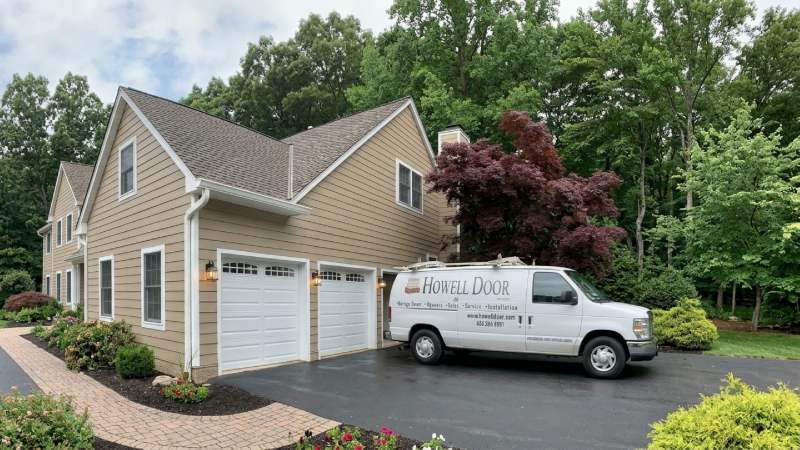
Understanding the differences between manual vs. automatic garage doors can help you choose a solution that matches your budget, lifestyle, and property requirements. A manual garage door operates through physical effort, while an automatic garage door uses an electric opener to open and close the door with minimal effort.
In this guide, we will explore how both systems work, their advantages and disadvantages, installation costs, safety features, maintenance requirements, and the factors you should consider before making your final decision.
What Is a Manual Garage Door?
A manual garage door is a door that opens and closes without an electric motor. Homeowners operate it by lifting or lowering the door using a handle, lock, or other mechanical mechanism. Depending on its design and weight, the door may use springs or counterbalance systems to make movement easier.
Manual garage doors are available in different materials, including steel, wood, aluminum, and fiberglass. They can be installed in residential garages, workshops, storage spaces, and other buildings where automatic operation may not be necessary.
One of the main reasons people choose manual garage doors is their simple design. Because they do not depend on electricity or an electric opener, they can be suitable for properties with limited access to power or homeowners who prefer a straightforward system.
However, the amount of physical effort required depends on the door’s size, weight, condition, and spring mechanism. A properly balanced manual garage door should move smoothly, while a poorly maintained or damaged door may become difficult and unsafe to operate.
What Is an Automatic Garage Door?
An automatic garage door uses an electric motor and opener to move the door when the homeowner activates a control. Instead of lifting the door manually, users can operate the system through a wall-mounted button, remote control, keypad, or compatible smartphone application.
Automatic garage doors are popular in modern homes because they offer convenience and reduce the physical effort required to enter or leave the garage. They are particularly useful for families who use their garage several times a day.
Most automatic systems include safety mechanisms, such as photoelectric sensors that detect objects in the door’s path. Depending on the model, additional features may include automatic lighting, remote monitoring, rolling-code security, and smart-home integration.
Although automatic garage doors require an initial investment in an opener and electrical components, they can make everyday garage access considerably easier. Their performance depends on proper installation, regular maintenance, and a reliable power supply.
Manual vs. Automatic Garage Doors: Key Differences
Manual and automatic garage doors can both provide reliable access to your property, but they are designed for different needs. Comparing their main features makes it easier to understand which option may work best for your household.
1. Convenience and Ease of Use
Convenience is one of the biggest differences between these two systems. A manual garage door requires you to leave your vehicle, unlock the door if necessary, and move it by hand. You must then close it manually before leaving the property.
An automatic garage door allows you to operate the door using a remote control or another compatible device. This is especially helpful during heavy rain, cold weather, or late-night arrivals.
For homeowners who enter and leave their garages frequently, automatic operation can save time and effort. Manual doors, however, may be perfectly practical for garages that are used only occasionally.
2. Installation Costs
Manual garage doors generally cost less to install because they do not require an electric opener, control system, or the associated electrical work. The final price still depends on the door material, size, design, hardware, and local labor charges.
Automatic garage doors usually involve a higher upfront cost. In addition to the door itself, you may need to pay for the motor, remote controls, sensors, installation, and electrical connections.
If you already have a suitable garage door, converting it to automatic operation may be possible. However, a professional should first confirm that the existing door is compatible with an opener and is properly balanced.
When comparing estimates, consider the total installation cost rather than focusing only on the price of the door.
3. Security Features
Security is an important consideration for every homeowner. Manual garage doors can provide good protection when they have strong construction, reliable locks, and properly fitted frames. However, their security depends heavily on the quality of the locking system and the door’s physical condition.
Automatic garage doors may provide additional security features, such as rolling-code remotes, automatic locking mechanisms, and systems that reduce the risk of unauthorized access. Some smart models also allow homeowners to check the door’s status remotely.
These features do not automatically make every powered door more secure than every manual door. Weak panels, damaged tracks, exposed emergency releases, and poor installation can create vulnerabilities in either system.
For the best results, choose a sturdy door, maintain its locking components, and ensure that the garage has adequate lighting and secure access points.
4. Maintenance Requirements
Manual garage doors typically have fewer components because they do not require an electric motor, remote receiver, or electronic sensors. Routine maintenance may include inspecting the tracks, rollers, hinges, locks, and springs.
Automatic garage doors require attention to both the mechanical door and the electrical opener. Homeowners should periodically check the remote controls, safety sensors, cables, tracks, and other visible components according to the manufacturer’s instructions.
Automatic systems may also require repairs or replacement of motors, circuit boards, and other electronic parts. These additional components can increase long-term maintenance expenses.
Nevertheless, both types of garage doors need regular inspections. A simple manual system can still develop serious mechanical problems, while a well-maintained automatic system can provide reliable service for many years.
5. Reliability During Power Outages
Manual garage doors have an advantage during power failures because they do not depend on electricity. As long as the door and its mechanical components are functioning correctly, homeowners can continue opening and closing it by hand.
An automatic garage door may stop operating when electricity is unavailable. Many models include an emergency release that allows manual operation from inside the garage. Some openers also support battery backup, which can keep the door operating during certain outages.
Before choosing an automatic system, consider how often power interruptions occur in your area. If outages are common, a compatible battery backup can make the system more practical.
Always learn how to use the emergency release safely and follow the manufacturer’s instructions.
Advantages of Manual Garage Doors
Manual garage doors remain a sensible choice for many properties because they offer simplicity and affordability.
Lower Initial Investment
Without an electric opener, manual doors generally have fewer installation expenses. This makes them attractive to homeowners working with a limited renovation budget.
Simple Mechanical Design
Manual doors have fewer electronic components that can fail. Their straightforward construction can make troubleshooting easier, although repairs to springs, cables, and other high-tension parts still require care.
No Electricity Required
Because manual doors operate without a motor, they can remain usable during power outages. This is particularly valuable in locations where electrical service is unreliable.
Suitable for Occasional Use
A manual door may be a practical solution for a detached garage, storage building, or workshop that does not need frequent access.
Disadvantages of Manual Garage Doors
Despite their benefits, manual garage doors have limitations that homeowners should consider before purchasing one.
The most obvious disadvantage is the physical effort required to open and close the door. Large, heavy, or poorly balanced doors can be difficult to move, especially for older adults or people with limited mobility.
Manual operation can also be inconvenient in bad weather because the user must leave the vehicle to operate the door. In addition, homeowners must remember to close and lock the door every time they use it.
Depending on the locking system, securing a manual door may require several separate steps. If the door is used frequently, this routine can become frustrating over time.
For these reasons, manual garage doors are generally best suited to homeowners who prioritize simplicity and lower upfront costs over convenience.
Advantages of Automatic Garage Doors
Automatic garage doors offer several features that make them attractive for busy households and modern properties.
Greater Everyday Convenience
A remote control or keypad makes it easier to enter and leave the garage. Homeowners do not need to lift the door manually each time they return home.
Helpful Safety Technology
Many automatic openers include sensors that detect objects in the closing path. These features can help reduce the risk of the door striking a person, pet, or vehicle when the system is installed and maintained correctly.
Safety sensors are not a substitute for supervision. Children and pets should be kept away from moving doors, and the system’s reversal functions should be tested according to the manufacturer’s guidance.
Smart-Home Compatibility
Some modern openers work with smartphone applications, allowing users to monitor the door’s status and control it remotely. Depending on the product, homeowners may also receive notifications when the door opens or closes.
Improved Accessibility
Automatic operation reduces the need to lift a heavy door by hand. This can be particularly beneficial for people with mobility limitations and households where several family members use the garage daily.
Disadvantages of Automatic Garage Doors
Automatic garage doors offer convenience, but they also have a few potential drawbacks.
The first is the higher upfront cost. Homeowners must pay for the opener and its installation, and additional features such as battery backup or smart connectivity may increase the total expense.
Another consideration is maintenance. The opener, wiring, remote controls, and safety sensors all require proper care. If an electronic component fails, the door may need professional attention.
Automatic doors also depend on a power supply unless a suitable backup system is available. A power outage or opener malfunction can temporarily interrupt normal operation.
Finally, incorrect installation or neglected safety features can create hazards. Choosing a reputable installer and following the manufacturer’s maintenance recommendations are essential for safe operation.
Which Garage Door Is More Affordable in the Long Term?
The most affordable option depends on how frequently you use the garage and how much maintenance the system requires over time.
Manual garage doors often have a lower initial price and fewer electronic components to repair. However, a damaged or difficult-to-operate door can still result in expensive mechanical repairs.
Automatic garage doors cost more initially, but their convenience may justify the additional investment for homeowners who use their garage every day. Their long-term cost depends on electricity consumption, maintenance, replacement parts, and the lifespan of the opener.
When comparing the two options, consider the following expenses:
-
Purchase price of the garage door.
-
Installation and labor charges.
-
Cost of an opener, remotes, and sensors.
-
Routine inspection and maintenance.
-
Potential repairs and replacement components.
-
Optional features such as battery backup and smart controls.
Requesting itemized estimates from multiple installers can help you compare similar products fairly. Prices vary by location, materials, door dimensions, and installation requirements, so it is best to obtain a quote based on your specific garage.
How to Choose the Right Garage Door for Your Home
Selecting the right garage door requires more than comparing prices. You should evaluate your household’s daily habits, property layout, security needs, and long-term budget.
Consider How Frequently You Use the Garage
If you open and close your garage several times a day, an automatic door may offer significant convenience. If you use the garage mainly for occasional storage, a manual model may be sufficient.
Evaluate Your Budget
Decide how much you can spend on installation and future maintenance. A manual system may be more suitable when minimizing initial costs is your priority, while an automatic system may provide better everyday value for frequent users.
Check the Available Power Supply
Automatic openers need an appropriate power source. If your garage has unreliable electricity, investigate compatible battery backup options before making a decision.
Think About Safety and Accessibility
Consider who will operate the door. Families with older adults, people with mobility difficulties, and households with frequent vehicle movement may benefit from automatic operation and properly installed safety features.
Choose a Suitable Material
Steel is often selected for durability, while wood offers a traditional appearance. Aluminum can provide a lighter construction, and insulated doors may improve thermal performance when the garage is attached to the home.
Regardless of the operating system, choose a door that suits your climate, architectural style, and security requirements.
Garage Door Maintenance Tips for Better Performance
Regular maintenance helps manual and automatic garage doors operate smoothly and may reduce the likelihood of unexpected breakdowns.
Start by inspecting the door for visible damage, loose hardware, worn rollers, and unusual movement. Keep tracks free from dirt and obstructions, and use only manufacturer-approved lubricants on the components specified in the owner’s manual.
For automatic systems, check the safety sensors and test the reversal features according to the manufacturer’s instructions. Keep remote controls secure and replace batteries when necessary.
Never attempt to adjust high-tension springs or repair damaged lifting cables yourself. These parts can cause serious injuries if handled incorrectly. Contact a qualified technician when the door becomes unusually heavy, makes sudden loud noises, moves unevenly, or refuses to close properly.
Professional inspections can also help identify developing problems before they become more expensive repairs.
Conclusion
Choosing between manual vs. automatic garage doors ultimately depends on your budget, lifestyle, and priorities. Manual garage doors are often more affordable, mechanically simple, and independent of electricity. They can be an excellent option for garages that receive limited use.
Automatic garage doors, on the other hand, provide greater convenience, easier access, and additional features that may improve security and accessibility. Although they cost more initially and require attention to their electrical components, they can be a worthwhile investment for busy households.
Before making your final decision, compare installation estimates, consider long-term maintenance, and evaluate the safety features available with each system. Most importantly, ensure that the door is properly balanced, securely installed, and maintained throughout its service life.
If you need professional advice about selecting, installing, or maintaining a garage door, Contact Us to discuss your requirements and explore a suitable solution for your property.