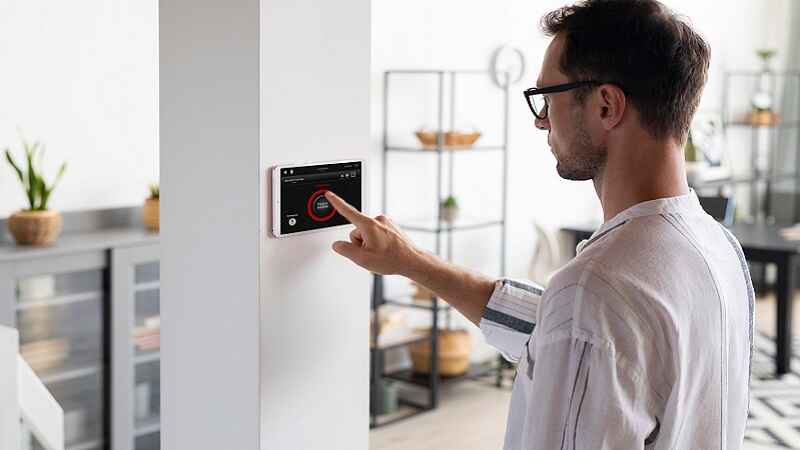
The world is changing rapidly, and technology is reshaping how we live, work, and interact with our homes. Among these innovations, home automation stands out as a major breakthrough, offering convenience, security, energy efficiency, and modern living like never before. From controlling lights with your voice to managing home security from your smartphone, smart housing is transforming everyday life. This article explores the innovations behind home automation, its benefits, applications, challenges, and the future of smart living.
What is Home Automation?
Home automation, often referred to as a smart home system, is the integration of technology into household functions to provide enhanced control, efficiency, and convenience. It allows homeowners to automate tasks such as:
- Controlling lighting and appliances remotely
- Managing heating, ventilation, and air conditioning (HVAC)
- Monitoring security cameras and alarms
- Integrating entertainment systems
At its core, home automation connects devices through the Internet of Things (IoT), enabling them to communicate and operate in unison. This connectivity allows homeowners to manage their homes from anywhere, using smartphones, tablets, or voice commands.
The Key Components of Smart Housing
A modern smart home relies on several essential components to function efficiently:
1. Smart Lighting Systems
Smart lighting allows homeowners to control brightness, color, and timing of lights remotely. This system can be programmed to follow daily routines, such as turning on lights at sunset or dimming them automatically at bedtime. Smart bulbs like Philips Hue and LIFX offer energy savings and enhance the overall ambiance of a home.
2. Smart Security Solutions
Security is one of the primary drivers of home automation adoption. Smart security systems include:
- Surveillance cameras with live streaming
- Motion detectors
- Smart locks
- Doorbell cameras
These systems can send instant notifications to your phone in case of unusual activity, providing peace of mind even when you are away.
3. Climate Control Systems
Smart thermostats, such as Nest and Ecobee, allow homeowners to adjust temperatures remotely. These systems learn your habits and optimize heating and cooling, saving energy while maintaining comfort. Integration with other smart devices ensures that climate control operates efficiently across your home.
4. Smart Appliances
From refrigerators that track groceries to ovens that start preheating on command, smart appliances enhance convenience. They not only make daily chores easier but also improve energy efficiency by operating only when needed.
5. Voice Assistants and Control Hubs
Voice assistants like Amazon Alexa, Google Assistant, and Apple HomeKit serve as the central control system for many smart homes. They allow homeowners to operate devices hands-free, integrate routines, and even provide reminders or updates about home systems.
Advantages of Home Automation
Smart housing is more than a technological trend; it offers tangible benefits that improve the quality of life.
1. Convenience and Time-Saving
Home automation allows homeowners to perform multiple tasks with a single command. For example, a morning routine can trigger the lights to turn on, the coffee maker to start brewing, and the thermostat to adjust automatically, making daily life simpler and more efficient.
2. Enhanced Security
Smart security systems provide real-time monitoring and instant alerts, ensuring your home is protected. You can lock doors remotely, check who’s at the door, or monitor unusual activity even when traveling, significantly reducing the risk of theft or accidents.
3. Energy Efficiency and Cost Savings
Automated systems can reduce energy waste by turning off lights, adjusting thermostats, and managing appliance usage efficiently. Studies show that smart homes can lower electricity bills by 20–30% annually, making them both eco-friendly and economical.
4. Improved Comfort and Lifestyle
Smart homes adapt to your lifestyle. Personalized settings, ambient lighting, automated HVAC, and entertainment systems enhance comfort, creating an environment tailored to your preferences.
5. Increased Property Value
Homes equipped with automation technology are becoming more desirable in the real estate market. Buyers view smart housing as a modern upgrade, potentially increasing property value and marketability.
Popular Applications of Home Automation
The applications of home automation are broad and diverse. Some of the most popular use cases include:
1. Lighting Automation
Smart lighting systems are often the first step in automating a home. They offer remote control, scheduling, and customization, helping reduce energy consumption and create the perfect ambiance for any situation.
2. Home Security and Surveillance
Smart cameras, motion sensors, and automated locks provide comprehensive security solutions. Advanced systems even integrate facial recognition and AI to distinguish between family members and strangers.
3. Smart Entertainment
Home automation allows integration of audio-visual devices. You can control your television, music system, or streaming devices through a single interface or voice command, creating a seamless entertainment experience.
4. Energy Management
Smart thermostats, lighting, and appliances work together to optimize energy use. Some systems can even analyze energy consumption patterns and suggest ways to reduce utility costs while minimizing environmental impact.
5. Health and Wellness Integration
Certain home automation systems can monitor air quality, humidity, and lighting to improve health and well-being. Some devices track sleep patterns, provide reminders for hydration, and even automate environments for better productivity and relaxation.
Challenges in Implementing Smart Homes
While home automation offers many benefits, it also comes with challenges that homeowners need to consider.
1. High Initial Costs
Smart devices and integrated systems can be expensive to purchase and install. Although they save money in the long term, the upfront investment can be significant.
2. Complexity and Learning Curve
Setting up and managing multiple devices can be complicated, especially for homeowners who are not tech-savvy. Understanding how devices interact and maintaining them may require professional assistance.
3. Privacy and Security Concerns
Since smart homes rely heavily on the internet, they are vulnerable to hacking and data breaches. Ensuring strong passwords, secure networks, and choosing reliable devices is critical to maintaining safety.
4. Compatibility Issues
Not all devices and systems are compatible with each other. Some brands may operate independently, requiring additional hubs or software to integrate them into a single cohesive system.
5. Dependence on Internet Connectivity
Smart homes depend on stable internet connections. Any interruption can temporarily disable certain automated functions, affecting the convenience and efficiency of the system.
Innovations Driving the Future of Smart Housing
The future of home automation looks promising, with new innovations making smart homes more intelligent, accessible, and integrated.
1. Artificial Intelligence (AI) Integration
AI-powered systems can learn habits and make predictive adjustments to lighting, climate, and security. This personalization enhances efficiency and anticipates homeowners’ needs before they even act.
2. Internet of Things (IoT) Expansion
The growth of IoT devices enables seamless communication between household gadgets. Appliances, lights, security cameras, and even garden systems can work together, creating a fully integrated smart home ecosystem.
3. Voice and Gesture Control
Beyond voice commands, future smart homes may respond to gestures, facial expressions, or even biometric signals, making interaction more natural and intuitive.
4. Energy-Optimized Homes
Smart homes of the future will focus more on sustainability, using AI and automation to reduce carbon footprints. Solar panels, battery storage, and energy-efficient appliances will work together to create environmentally responsible homes.
5. Enhanced Security Solutions
Next-generation smart homes will feature advanced biometric access, AI-based threat detection, and predictive monitoring, making home security smarter and more reliable.
6. Integration with Smart Cities
As cities become smarter, homes will connect to public infrastructure, traffic systems, and emergency services. This integration will optimize urban living and make daily life more convenient and safe.
How to Get Started with Home Automation
For homeowners interested in adopting smart technology, here’s a step-by-step guide:
-
Assess Your Needs – Identify which areas of your home can benefit most from automation, such as lighting, security, or climate control.
-
Choose a Smart Hub – Select a central system, such as Amazon Alexa, Google Home, or Apple HomeKit, to control multiple devices.
-
Start Small – Begin with a few key devices, like smart bulbs, thermostats, or locks, before expanding.
-
Ensure Compatibility – Make sure all devices work together under your chosen hub for seamless operation.
-
Secure Your Network – Use strong passwords and encryption to protect your smart home from cyber threats.
-
Monitor and Optimize – Track usage, adjust settings, and expand automation gradually for maximum benefits.
The Future Outlook of Home Automation
The home automation industry is expected to grow exponentially in the coming years. Advances in AI, IoT, and cloud computing will make smart homes more accessible and affordable. Homes will not only respond to commands but anticipate needs, creating a truly intelligent environment.
- Smart homes will be the standard rather than the exception.
- Energy-efficient, automated homes will play a major role in reducing carbon emissions.
- Integration with health and wellness monitoring will become mainstream.
- Home automation will extend beyond residences into apartments, offices, and public infrastructure.
Conclusion
Home automation represents a major innovation in smart housing, offering convenience, security, energy efficiency, and comfort. From smart lighting and climate control to AI-driven predictive systems, the technology is reshaping how we live. While challenges such as cost, complexity, and privacy exist, the long-term benefits of a smart home far outweigh the obstacles.
As technology continues to evolve, smart homes will become more intelligent, efficient, and accessible, creating a future where homes not only respond to our commands but anticipate our needs. Embracing home automation today is a step toward a connected, sustainable, and smarter lifestyle tomorrow.