
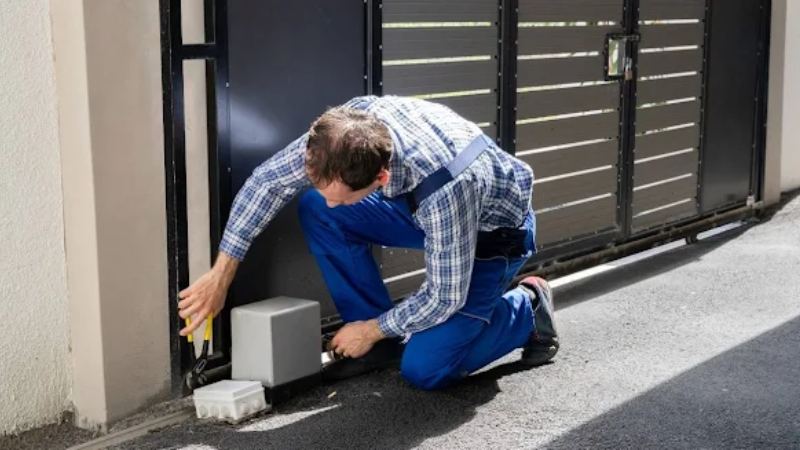
A garage door is one of the largest moving components of a home. It provides convenient access to the garage, protects vehicles and belongings, and contributes to the overall security of the property. However, like any mechanical system, a garage door can develop problems over time. Worn springs, damaged cables, loose hardware, faulty sensors, and misaligned tracks can affect its performance and create safety risks.
A regular Garage Door Inspection helps homeowners identify potential problems before they become expensive repairs. By checking the door’s mechanical components, safety features, and overall condition, you can improve its reliability and extend its service life.
Whether you have a traditional manual garage door or a modern automatic system, understanding the inspection process can help you maintain it properly. This guide explains why inspections matter, which components need attention, how often to schedule an inspection, and when to seek professional assistance.
What Is a Garage Door Inspection?
A garage door inspection is a systematic examination of the door, its operating mechanism, and its safety features. The purpose is to identify visible damage, mechanical wear, operational problems, and potential hazards that could affect its performance.
During an inspection, a homeowner or qualified technician may examine the door panels, hinges, rollers, tracks, springs, cables, opener, and safety sensors. The inspection may also include checking the door’s movement, listening for unusual noises, and testing approved safety functions according to the manufacturer’s instructions.
The scope of an inspection depends on the door’s age, design, condition, and frequency of use. A basic visual check can help identify obvious concerns, while a professional inspection provides a more detailed assessment of components that may be difficult or dangerous to examine without specialist knowledge.
Regular inspections are especially valuable for doors that are used several times every day. Repeated opening and closing gradually place stress on moving components, making periodic checks an important part of responsible home maintenance.
Why Is Regular Garage Door Inspection Important?
Garage doors often operate reliably for years, which can make it easy to overlook their maintenance needs. However, small problems can gradually develop into larger issues if they remain unnoticed.
1. Improves Household Safety
Garage doors are heavy and operate through springs, cables, rollers, and other mechanical components. A damaged spring, frayed cable, or malfunctioning safety sensor can create a serious hazard.
Regular inspections help identify warning signs before a component fails completely. For example, a door that becomes uneven, closes unexpectedly, or makes unusual grinding noises may require attention.
Safety checks are particularly important in households with children, older adults, and pets. Keeping the door in good working condition can reduce avoidable risks and help ensure that its safety mechanisms operate as intended.
2. Helps Prevent Expensive Repairs
A small mechanical issue can become more costly when it affects other parts of the garage door system. A worn roller may cause noisy movement, while a misaligned track can place additional stress on the opener and other components.
Identifying these problems early may allow a technician to correct them before more extensive damage develops.
Although inspections cannot prevent every breakdown, they provide an opportunity to identify wear, plan maintenance, and avoid some unexpected repair expenses.
3. Extends the Door’s Service Life
A garage door contains several components that experience repeated movement and friction. Without appropriate maintenance, these parts may wear out more quickly than expected.
Routine inspections can identify issues such as deteriorating weather seals, loose hardware, and damaged rollers. Addressing these concerns promptly helps maintain smooth operation and may extend the useful life of the system.
The actual lifespan of a garage door depends on its materials, installation quality, environment, usage, and maintenance history.
4. Supports Home Security
A garage door is an important part of a home’s security system. Damaged panels, faulty locks, gaps around the door, and malfunctioning automatic openers can reduce protection.
During an inspection, homeowners should check whether the door closes completely, locks securely where applicable, and fits properly within its frame.
Automatic systems should also be checked for appropriate access controls. Lost remotes, damaged keypads, and outdated security features may need attention to help prevent unauthorized access.
5. Improves Energy Efficiency
For garages attached to a home, the condition of the garage door can influence indoor comfort and energy use. Damaged weather stripping, gaps around the frame, and poorly insulated panels may allow outside air to enter.
An inspection can reveal worn seals and other issues that affect the door’s ability to limit drafts. Replacing damaged weather stripping or considering suitable insulation may improve comfort, depending on the garage’s design and how it is used.
Essential Components to Check During a Garage Door Inspection
A thorough inspection considers the condition of the entire system rather than focusing only on the door panels. The following components deserve particular attention.
1. Garage Door Panels
The panels form the main body of the door and protect the garage from weather and unwanted access. Inspect them for dents, cracks, rust, warping, and other visible damage.
Steel doors may develop corrosion if their protective coating becomes damaged. Wooden doors can suffer from moisture damage, rot, or peeling paint, while other materials may crack or become distorted.
Minor cosmetic damage may not affect operation, but severe panel damage can compromise structural integrity. If a panel is bent or the door appears unstable, stop using it and arrange a professional assessment.
2. Springs and Cables
Garage door springs counterbalance the door’s weight, allowing it to move more easily. Cables help transfer the force needed to lift and lower the door.
These components operate under substantial tension. Signs of trouble may include visible cable fraying, a door that hangs unevenly, or a sudden loud bang followed by the door becoming difficult to operate.
Homeowners should inspect these parts visually from a safe distance without touching, loosening, or adjusting them. Broken springs and damaged lifting cables should be repaired by qualified technicians because attempting a DIY repair can result in serious injury.
3. Tracks and Rollers
Tracks guide the door as it moves, while rollers allow it to travel along the track system.
Look for visible obstructions, bent track sections, damaged rollers, and signs that the door is rubbing against surrounding surfaces. Grinding sounds, jerky movement, or repeated stopping may indicate that these components need attention.
Do not attempt to force a door back into position if it has come off its tracks. A misaligned door can be heavy and unstable, so professional assistance is the safer option.
4. Hinges and Mounting Hardware
Hinges connect the door panels and allow the sections to bend as the door opens and closes. Brackets, bolts, and other mounting hardware help keep the system securely assembled.
Look for visible rust, cracks, missing fasteners, and signs of movement around the hardware.
If a component appears loose or damaged, consult the manufacturer’s instructions or contact a technician. Do not tighten brackets connected to spring systems or other high-tension components without professional guidance.
5. Garage Door Opener
The opener controls the powered movement of an automatic garage door. It may include a motor, drive mechanism, control board, remote receiver, and lighting system.
During a visual inspection, check for damaged wiring, loose exterior covers, unusual noises, inconsistent operation, and signs of overheating. Make sure the wall control and remote function as expected.
If the opener struggles to lift the door, do not assume that the motor is necessarily the problem. An unbalanced door or mechanical obstruction can also place excessive strain on the opener.
A qualified technician can determine whether the issue originates in the door, the opener, or both.
6. Safety Sensors and Reversal Mechanism
Modern automatic garage doors often include photoelectric safety sensors that detect objects in the doorway. Many systems also have an automatic reversal mechanism intended to respond to certain obstructions.
Check that the sensor lenses are clean and that the sensors appear correctly aligned. Follow the manufacturer’s instructions for testing the safety functions.
Never place your body beneath a moving door or deliberately expose yourself to its closing path. If a safety feature fails its prescribed test, discontinue automatic operation until the system has been inspected and repaired.
7. Weather Seals and Bottom Seal
Weather stripping helps limit the entry of dust, rain, insects, and outside air. The bottom seal is particularly important because it meets the floor when the door closes.
Inspect the seals for cracks, brittleness, gaps, and missing sections. Check whether the door sits evenly along the floor when closed.
Replacing damaged seals can improve weather protection and reduce drafts. However, a large or uneven gap may indicate a door alignment or floor-level issue that requires a more detailed assessment.
How to Perform a Basic Garage Door Inspection at Home
Homeowners can perform simple visual checks between professional service visits. These checks should focus on accessible areas and normal operation, not repairs to hazardous components.
Step 1: Examine the Door’s Exterior
Look at the door from inside and outside the garage. Check for visible cracks, dents, corrosion, damaged paint, and signs of impact.
Pay attention to the edges and bottom of the door, where damage or seal deterioration may be easier to overlook.
Step 2: Observe the Door During Normal Operation
From a safe position with a clear view of the doorway, operate the door using its normal control. Watch for uneven movement, hesitation, shaking, or unusual noises.
Keep children, pets, vehicles, and other objects away from the door’s path. Stop operating it if you notice signs of mechanical failure.
Step 3: Check the Opener and Controls
For an automatic system, check whether the wall control and remote work consistently. Look for visible damage to the opener housing and note any unusual behavior.
Avoid opening electrical housings or touching exposed wiring. Electrical repairs should be handled by a qualified professional.
Step 4: Examine Accessible Seals and Tracks
Check the weather stripping, bottom seal, and visible track areas for damage or obstructions. Remove ordinary loose debris only when it can be done safely without reaching near moving parts.
Do not attempt to straighten bent tracks or reposition a door that has become misaligned.
Step 5: Record Any Problems
Write down unusual noises, intermittent operation, visible damage, or other changes. Photos of accessible exterior damage can also help a technician understand the problem.
If the door is unstable, has a broken spring, or appears to be at risk of falling, keep clear and arrange professional service rather than continuing the inspection.
How Often Should You Schedule a Garage Door Inspection?
The ideal inspection schedule depends on the door’s condition, age, usage, and manufacturer recommendations.
For many residential properties, a practical approach is to perform a basic visual check periodically and arrange professional maintenance at intervals recommended by the manufacturer or installer. An annual professional inspection is a useful general starting point for many households, but heavily used or older systems may require more frequent attention.
You should also arrange an inspection when you notice a sudden change in performance, hear an unusual loud noise, experience repeated opener problems, or see damage following an impact or severe weather.
Commercial garage doors may require a different maintenance schedule because of their higher usage and operational demands. Businesses should follow applicable safety requirements and the equipment manufacturer’s service guidance.
Regular inspections are most effective when they are consistent rather than postponed until a breakdown occurs.
Common Signs Your Garage Door Needs Professional Inspection
Some problems are easy to recognize, while others develop gradually. Knowing the warning signs can help you decide when to seek assistance.
-
Unusual noises: Grinding, scraping, repeated banging, or squealing may indicate worn or damaged components.
-
Uneven movement: A door that tilts or moves unevenly may have a spring, cable, roller, or track problem.
-
Slow or inconsistent operation: Repeated hesitation may indicate an opener issue or mechanical resistance.
-
Incomplete closing: A door that leaves a gap may have a sensor, alignment, travel-setting, or obstruction problem.
-
Visible cable damage: Fraying, looseness, or displacement requires professional attention.
-
Damaged panels: Severe dents, cracks, or structural distortion may affect safe operation.
-
Repeated remote failures: Intermittent controls may indicate a battery, receiver, interference, or opener problem.
If any of these warning signs appear, avoid repeatedly operating the door to see whether the issue disappears. A technician can inspect the system and recommend the appropriate repair.
DIY vs. Professional Garage Door Inspection
A DIY inspection can help homeowners identify visible concerns and monitor changes in normal operation. It is convenient, costs little, and can be incorporated into a regular home maintenance routine.
However, a basic visual check cannot confirm the condition of every internal or high-tension component. Homeowners may not have the training or equipment needed to assess springs, cables, opener forces, and other safety-critical parts.
A professional inspection can provide a more detailed assessment of mechanical condition, door balance, mounting hardware, safety systems, and opener performance. The technician may also recommend repairs or maintenance based on the door’s age and usage.
The best approach is to combine simple homeowner checks with professional service. This helps identify visible problems early while leaving hazardous work to trained specialists.
What Is the Cost of a Garage Door Inspection?
The cost of an inspection varies according to location, door type, inspection depth, and service provider. Some companies include an inspection as part of a maintenance package, while others charge a separate diagnostic or service fee.
Additional costs may apply if the technician identifies damaged springs, worn rollers, faulty sensors, opener problems, or other repairs. Commercial systems may also cost more to inspect because of their size, complexity, and operating requirements.
Before booking a service, ask what the inspection includes, whether the fee covers a written report, and whether repairs are charged separately.
Requesting a clear estimate helps you understand the expected cost and compare services fairly. Avoid choosing a provider based on price alone; experience, safety practices, and clear communication are also important considerations.
How to Choose a Reliable Garage Door Inspection Service
Choosing a qualified service provider helps ensure that your garage door is assessed carefully and that any recommended repairs address the actual problem.
Look for a company with experience working on your type of door and opener. Ask whether its technicians are trained to inspect springs, cables, tracks, safety sensors, and automatic opener systems.
A reliable provider should explain any identified problems, describe the recommended work, and provide a clear estimate before beginning repairs. It should also follow the manufacturer’s guidance and applicable safety requirements.
Check customer reviews where available, confirm any relevant licensing or insurance requirements in your area, and ask about warranties for repair work.
If you need assistance with a garage door inspection, maintenance, or repair, Contact Us to discuss your needs and learn about suitable options for your property.
Conclusion
A garage door inspection is an important part of maintaining a safe, secure, and reliable home. By examining visible damage, monitoring normal operation, and checking accessible components, homeowners can recognize warning signs before they develop into more serious problems.
Springs, cables, tracks, rollers, openers, safety sensors, and weather seals all contribute to the door’s performance. Each component should be kept in suitable condition, with hazardous repairs handled by qualified technicians.
Perform basic visual checks regularly, follow the manufacturer’s maintenance recommendations, and schedule professional inspections when appropriate. If your door becomes uneven, produces unusual noises, or fails a safety test, stop using it until the problem has been assessed.
With consistent maintenance and timely professional support, you can improve garage door reliability, reduce avoidable repair expenses, and help protect everyone who uses the system.