
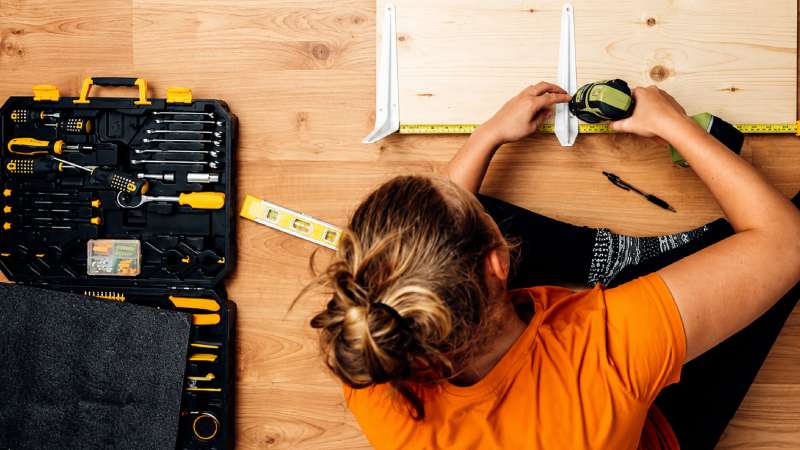
A well-planned home workshop setup can turn a cluttered garage corner into a practical place for repairs, creative projects, and weekend improvements. You do not need a huge room or an expensive collection of machines. What matters is choosing useful DIY tools, arranging them logically, and creating a safe area where you can work without constantly searching for supplies.
The ideal workshop should match the projects you actually complete. Someone who repairs furniture will need a different layout from a person who maintains bicycles or handles basic household fixes. By focusing on essential workshop equipment, sensible garage organization, and flexible storage, you can build a space that improves with your skills. The goal is not to own everything. It is to make each task faster, safer, and more enjoyable.
Plan Your Home Workshop Setup Around Real Projects
Before buying shelves or machines, list the jobs you expect to handle. These may include assembling furniture, repairing appliances, hanging cabinets, or completing small woodworking projects.
This simple step prevents a common mistake: filling the room with items that look impressive but rarely get used. Consider the available floor space, the materials you will work with, and whether you need a permanent bench or a foldable surface.
Also consider dust, noise, ventilation, lighting, and electricity. Early planning creates a smoother productivity workspace and reduces costly changes later.
Choose a Strong and Practical Workbench
The workbench is the centre of most workshops. It provides a stable surface for measuring, drilling, sanding, cutting, assembling, and repairing.
In a small room, a wall-mounted folding bench can preserve floor space. A larger garage may suit a fixed bench with drawers or lower shelves. Whatever style you choose, the surface should remain level and steady under pressure.
A compact bench vice is also valuable. It holds materials securely while you cut, file, glue, or drill. Leave enough space around the bench to move safely, and keep cables, boxes, and loose materials away from walking areas.
Essential DIY Tools for Everyday Work
Hand tools form the foundation of a reliable workshop. They are affordable, easy to maintain, and often quicker than power tools for simple tasks.
A practical starter kit should include:
- Claw hammer
- Flat-head and Phillips screwdrivers
- Adjustable wrench
- Combination and needle-nose pliers
- Utility knife
- Tape measure
- Spirit level
- Handsaw
- Hex key set
- Several clamps
Choose quality over quantity. A dependable screwdriver that fits correctly is safer than a large set of weak tools. Keep frequently used DIY tools near the bench, while specialist items can stay in labelled drawers or higher storage areas.
Power Tools That Offer the Most Value
Beginners do not need every power tool at once. A few versatile choices can handle a wide range of repairs and building tasks.
Cordless Drill and Driver
A cordless drill can make holes, drive screws, assemble furniture, and use several attachments. Look for variable speed, a comfortable grip, and batteries that are easy to replace.
Circular Saw or Jigsaw
A circular saw works well for straight cuts in boards and sheet materials. A jigsaw is better for curves, openings, and smaller pieces. Choose according to the work you expect to do most often.
Random Orbital Sander
This tool prepares wood, smooths repairs, and removes old finishes faster than hand sanding. Connect it to a workshop vacuum whenever possible.
Oscillating Multi-Tool
A multi-tool can cut, scrape, sand, and trim in tight areas. It is especially helpful during repairs and renovation work.
When comparing DIY tools and equipment, consider build quality, safety features, battery compatibility, and replacement-part availability rather than judging products only by price.
Improve Garage Organization With Work Zones
Good garage organization improves more than appearance. It helps you find items quickly, keeps sharp objects secure, and protects tools from damage.
Divide the room into simple zones. You might create a workbench zone for assembly, a wall area for hand tools, a lower cabinet for power tools, and shelves for supplies. Heavy items should remain low, while lightweight or seasonal materials can go higher.
Keep frequently used workshop equipment between waist and shoulder height. This reduces bending, reaching, and unnecessary movement. A dedicated battery shelf also keeps chargers off the bench.
Even a small space feels more efficient when every area has a clear purpose.
Tool Storage Ideas for Small Workshops
Effective storage does not require expensive custom cabinets. Some of the most useful tool storage ideas are affordable and easy to adjust.
Pegboards keep hand tools visible and allow hooks to move as your collection changes. Magnetic strips work well for rulers, bits, and small metal items. Clear boxes make screws, washers, and fittings easier to identify.
Drawer dividers prevent small parts from mixing together. Rolling carts are useful when you work in different areas, while stackable boxes can hold materials for specific tasks such as painting or electrical repairs.
Label containers clearly and return items after each project. Avoid leaving tools directly on a concrete floor because moisture can cause rust and damage batteries.
Make Safety Part of Your Workshop Equipment
A workshop is only useful when it is safe. Protective items should be treated as essential workshop equipment rather than optional extras.
Keep safety glasses, hearing protection, dust masks or a suitable respirator, work gloves, a first-aid kit, and a fire extinguisher nearby. Different tasks require different protection, so always follow the tool manufacturer’s instructions.
Lighting also affects safety and accuracy. A single ceiling bulb may create shadows over the bench. Add focused task lighting above cutting and assembly areas. Good ventilation is equally important when using paint, adhesive, solvents, or dusty materials.
Keep power cords away from cutting paths and wet areas. Do not overload extension leads. For additional outlets or circuit upgrades, use a qualified electrician.
Build a Productivity Workspace That Saves Time
A good productivity workspace reduces small delays. Measuring tools should sit near the workbench. Batteries should have a dedicated charging point. Fasteners should be sorted, and waste bins should remain easy to reach.
Adopt a few simple habits:
- Return tools immediately after use.
- Clear the bench after every session.
- Recharge batteries before the next project.
- Check blades and bits before starting.
- Restock common supplies before they run out.
- Keep one box for reusable offcuts.
A small wall board can track measurements, material lists, and unfinished tasks. This helps when a project takes several weekends.
The best home workshop setup is not the one with the largest collection. It is the one that allows you to begin quickly and finish without preventable interruptions.
Maintain and Improve the Space Over Time
Review the workshop every few months. Remove broken items, donate duplicates, and move rarely used tools away from prime storage areas.
Clean metal surfaces, sharpen cutting tools, inspect cables, and replace damaged accessories. Regular care improves accuracy and extends the life of your DIY tools.
A basic notebook or spreadsheet can record purchases, warranty details, battery types, blade sizes, and replacement dates. As your collection grows, update your garage organization system instead of adding random shelves. Flexible storage will remain useful longer than a layout designed around one project.
Frequently Asked Questions
How much space is needed for a basic workshop?
A useful workshop can fit into a garage corner, spare room, or small shed. You mainly need a stable work surface, safe storage, adequate lighting, and enough room to move around your project.
Which DIY tools should a beginner buy first?
Start with a hammer, screwdrivers, pliers, tape measure, level, utility knife, adjustable wrench, clamps, and cordless drill. Add specialist tools when a real project requires them.
What are the best tool storage ideas for renters?
Freestanding shelves, rolling carts, portable toolboxes, stackable containers, and removable pegboard systems provide storage without requiring major permanent changes.
How can I improve garage organization on a small budget?
Reuse strong containers, label drawers, install basic wall hooks, and group supplies by task. Focus first on clearing the floor and making common items easy to see.
How do I keep children safe around a workshop?
Store sharp tools, chemicals, batteries, and power equipment in locked cabinets. Unplug machines after use, restrict access to the area, and never leave an active project unattended.
Conclusion
Building a functional workshop is less about owning every available tool and more about creating a dependable system. Start with a strong bench, essential hand tools, a few versatile power tools, and safety equipment suited to your projects. Then improve the room through clear zones, useful lighting, flexible storage, and regular maintenance.
A thoughtful home workshop setup saves time because every item has a purpose and a place. Effective garage organization keeps the floor clear, while practical tool storage ideas allow the space to adapt as your abilities develop. When your productivity workspace supports the way you really work, repairs and creative projects feel less stressful and more rewarding. Build gradually, choose quality where it matters, and let experience guide each new purchase.