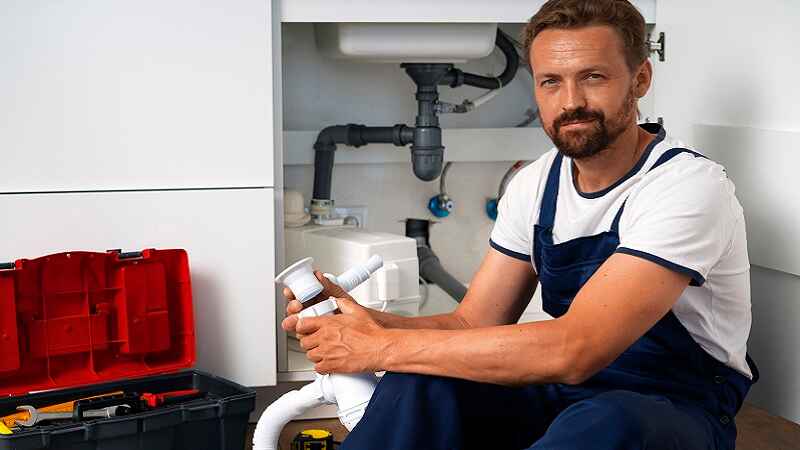
Plumbing systems are one of the most essential yet often overlooked parts of modern living. From the moment you turn on a tap, flush a toilet, or take a shower, a complex plumbing network is at work behind the walls and beneath the floors. Without an efficient plumbing system, daily life would become inconvenient, unhygienic, and even unsafe. This article explains plumbing systems in detail, covering their components, types, functions, and maintenance, helping you understand how they support comfort, health, and safety in homes and buildings.
What Is a Plumbing System?
A plumbing system is a network of pipes, valves, fixtures, and fittings designed to deliver clean water into a building and safely remove wastewater. It ensures that water is available when needed and that used water is disposed of efficiently without contaminating living spaces or the environment.
Modern plumbing systems are engineered to maintain water pressure, prevent leaks, stop backflow, and ensure sanitation. Whether in residential homes, commercial buildings, or industrial facilities, plumbing systems play a vital role in maintaining hygiene and public health.
Importance of Plumbing Systems in Daily Life
Plumbing systems are crucial because they directly affect health, convenience, and safety. Clean water is essential for drinking, cooking, bathing, and cleaning, while proper drainage prevents the buildup of harmful bacteria and waste.
Without a reliable plumbing system:
-
Waterborne diseases could spread easily
-
Wastewater could contaminate living areas
-
Buildings would suffer from structural damage due to leaks
-
Fire safety systems would fail
In short, plumbing systems are foundational to modern civilization, supporting both comfort and survival.
Main Components of a Plumbing System
A complete plumbing system consists of several interconnected components, each with a specific function. Understanding these components helps in identifying issues and maintaining efficiency.
Water Supply System
The water supply system is responsible for bringing fresh, clean water into a building. It usually connects to a municipal water source or a private well. Pipes in this system are designed to handle pressure and distribute water to various fixtures.
Key features of the water supply system include:
-
Main water line
-
Shut-off valves
-
Pressure regulators
-
Hot and cold water lines
This system ensures that water reaches sinks, showers, toilets, and appliances with adequate pressure and flow.
Drainage and Wastewater System
The drainage system removes used water and waste from the building. Unlike supply lines, drainage pipes rely on gravity rather than pressure to move wastewater away.
This system includes:
-
Drain pipes
-
Traps (such as P-traps)
-
Vent pipes
-
Sewer or septic connections
Proper drainage prevents foul odors, blockages, and contamination, making it a critical part of sanitation.
Plumbing Fixtures
Fixtures are the visible parts of the plumbing system that users interact with daily. These include sinks, toilets, bathtubs, showers, faucets, and appliances like dishwashers and washing machines.
Fixtures are designed to:
-
Control water flow
-
Conserve water
-
Provide convenience and comfort
Modern fixtures often include water-saving features to reduce consumption and lower utility costs.
Plumbing Pipes and Materials
Pipes are the backbone of any plumbing system. Different materials are used depending on the application, budget, and building codes.
Common pipe materials include:
-
PVC (Polyvinyl Chloride) – lightweight and corrosion-resistant
-
Copper – durable and widely used for water supply
-
PEX (Cross-linked Polyethylene) – flexible and easy to install
-
Cast iron – commonly used for drainage in older buildings
Choosing the right pipe material ensures durability, safety, and compliance with regulations.
Types of Plumbing Systems
Plumbing systems can be categorized based on their function and design. Each type serves a unique purpose and operates differently.
Residential Plumbing Systems
Residential plumbing systems are designed for homes and apartments. They focus on comfort, convenience, and efficiency. These systems typically include bathrooms, kitchens, laundry areas, and outdoor water connections.
Key characteristics include:
-
Moderate water pressure
-
Compact pipe layouts
-
Water-saving fixtures
Proper residential plumbing improves quality of life and property value.
Commercial Plumbing Systems
Commercial plumbing systems are used in offices, malls, hospitals, schools, and hotels. They are more complex due to higher water demand and usage frequency.
Features of commercial systems include:
-
Larger pipes
-
Advanced drainage systems
-
Multiple fixtures operating simultaneously
These systems must meet strict safety and health regulations to accommodate public use.
Industrial Plumbing Systems
Industrial plumbing systems are found in factories and manufacturing plants. They handle high-pressure water, chemicals, and specialized waste.
These systems require:
-
Heavy-duty pipes
-
Specialized materials
-
Advanced filtration and treatment
Industrial plumbing focuses on efficiency, safety, and environmental protection.
How Plumbing Systems Work Together
Plumbing systems function as an integrated network. The supply system delivers clean water, fixtures control its use, and the drainage system removes wastewater. Vent pipes balance air pressure, ensuring smooth water flow and preventing sewer gases from entering the building.
Each part depends on the others. A failure in one component—such as a clogged drain or leaking pipe—can disrupt the entire system, highlighting the importance of proper installation and maintenance.
Common Plumbing Problems and Their Causes
Despite careful design, plumbing systems can develop problems over time. Understanding common issues helps in early detection and prevention.
Common plumbing problems include:
-
Leaky faucets caused by worn seals
-
Clogged drains due to grease or debris buildup
-
Low water pressure from mineral deposits or pipe corrosion
-
Running toilets caused by faulty valves
Most issues arise from aging components, poor installation, or lack of maintenance.
Plumbing System Maintenance Tips
Regular maintenance keeps plumbing systems efficient and extends their lifespan. Simple preventive steps can save money and prevent major repairs.
Effective maintenance practices include:
-
Checking for leaks regularly
-
Avoiding pouring grease into drains
-
Cleaning drain traps periodically
-
Insulating pipes to prevent freezing
-
Scheduling professional inspections
Consistent care ensures reliable performance and reduces emergency repairs.
Modern Plumbing Technologies
Advancements in technology have significantly improved plumbing systems. Modern innovations focus on efficiency, sustainability, and convenience.
Examples include:
-
Smart leak detectors
-
Tankless water heaters
-
Low-flow toilets and faucets
-
Water recycling systems
These technologies reduce water waste, lower energy consumption, and enhance system reliability.
Plumbing Codes and Safety Standards
Plumbing systems must comply with local and international building codes. These regulations ensure safety, sanitation, and environmental protection.
Plumbing codes cover:
-
Pipe materials and sizes
-
Installation methods
-
Venting requirements
-
Backflow prevention
Following codes is essential for legal compliance and long-term system performance.
Environmental Impact of Plumbing Systems
Plumbing systems play a significant role in water conservation and environmental sustainability. Efficient systems reduce water waste and protect natural resources.
Eco-friendly plumbing practices include:
-
Installing water-efficient fixtures
-
Fixing leaks promptly
-
Using greywater systems for irrigation
-
Reducing chemical discharge
Sustainable plumbing benefits both homeowners and the planet.
When to Call a Professional Plumber
While minor issues can be handled by homeowners, some problems require professional expertise. Ignoring serious plumbing issues can lead to costly damage.
Call a professional plumber when:
-
There are persistent leaks
-
Sewage backs up
-
Water pressure drops suddenly
-
Pipes burst or freeze
Professional plumbers ensure safe, code-compliant repairs.
Conclusion
Plumbing systems are the unseen heroes of modern living, providing clean water, sanitation, and comfort every day. By understanding how plumbing systems work, their components, and the importance of maintenance, homeowners and building managers can make informed decisions and prevent costly problems.
From residential homes to industrial facilities, a well-designed and properly maintained plumbing system is essential for health, safety, and sustainability. As technology advances, plumbing systems will continue to evolve, offering smarter, more efficient solutions for the future.